
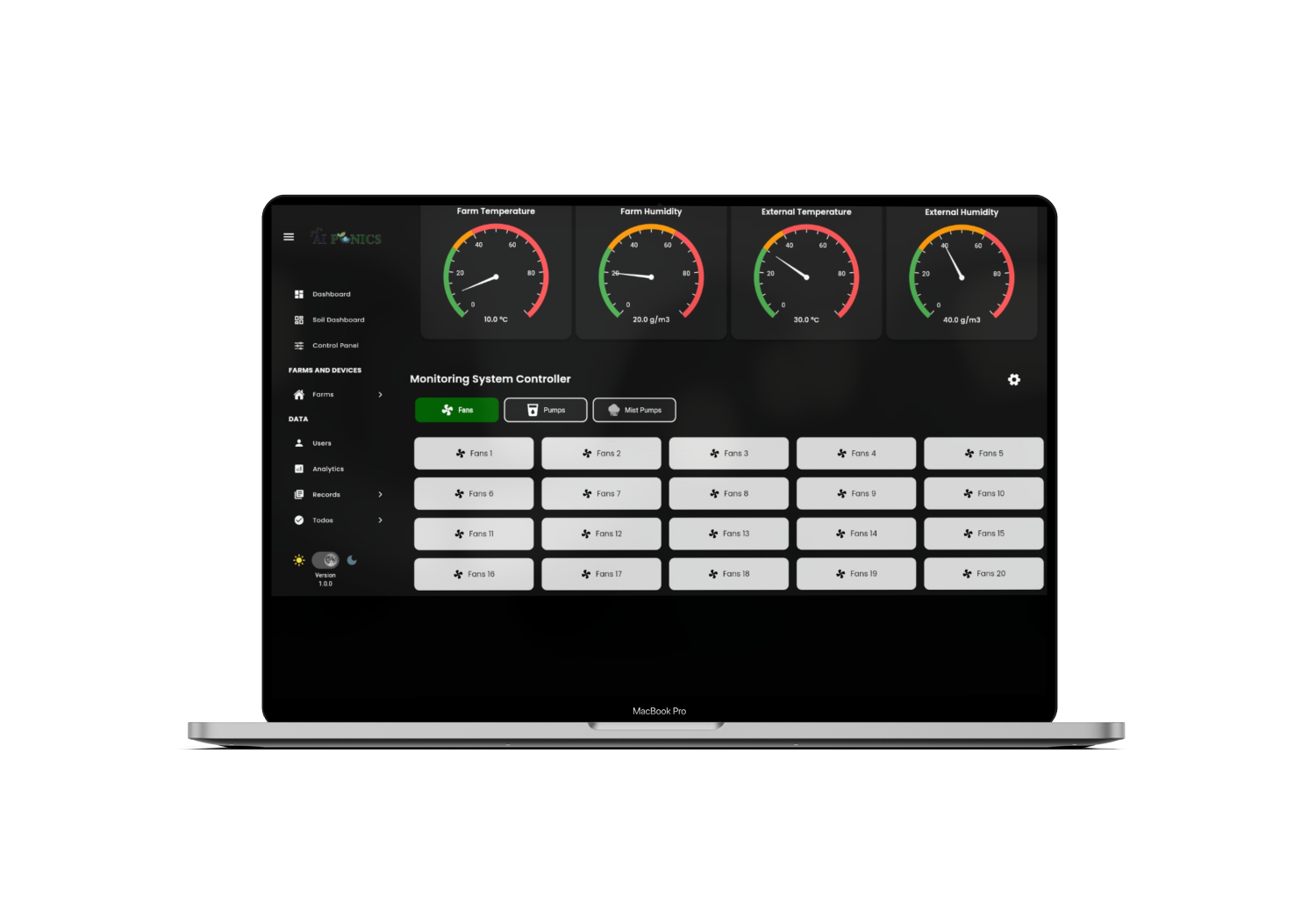
Agricultural Monitoring and Automation System
The Agricultural Monitoring and Automation System is an innovative solution designed to optimize farming operations by integrating real-time monitoring, precision control, and automation technologies. This system enhances productivity and resource efficiency, enabling sustainable farming practices.
Industry:Agriculture and Agri-Tech
Client: AI-Ponics Private Limited
Project Details
Challenge
Modern agriculture faces significant challenges:
- Monitoring and managing diverse environmental and soil parameters.
- Reducing resource wastage while maintaining high crop yields.
- Providing automation solutions that are scalable and adaptable to various farming setups.
Technologies Used:
- IoT-based sensors and actuators for precision monitoring and control.
- Embedded systems for real-time data processing and automation control.
- AI algorithms for predictive analytics and decision-making support.
- Cloud and edge computing for scalable data storage and processing.
- User-friendly interfaces for seamless interaction with the system.
Solution
The Agricultural Monitoring and Automation System is tailored to address these challenges with advanced technologies and smart functionalities:
Key Features:
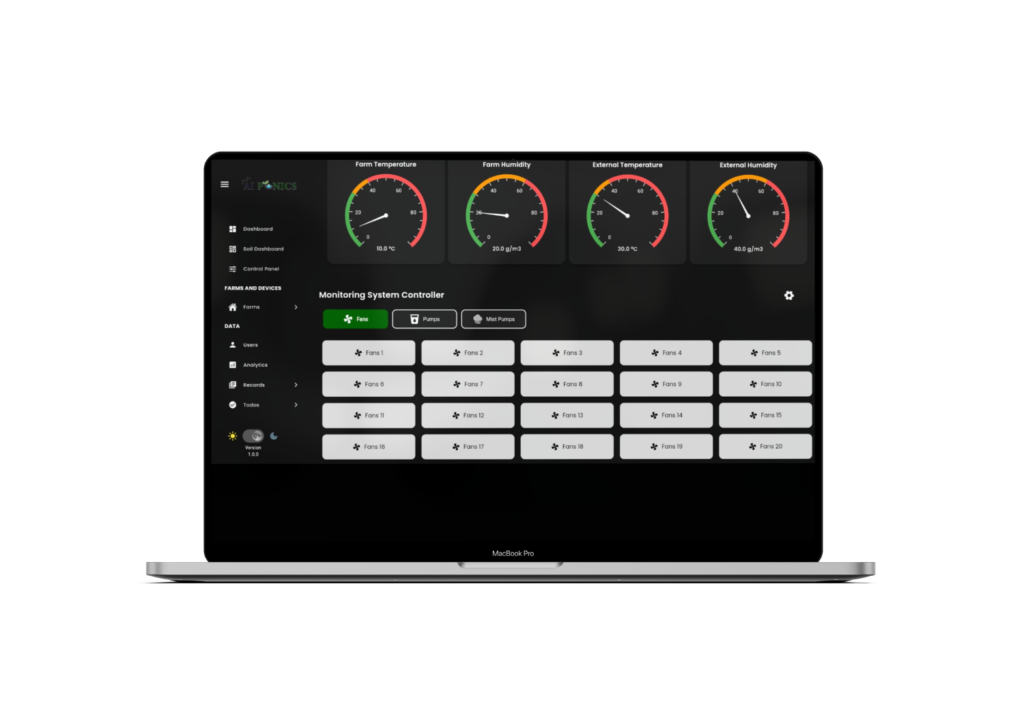
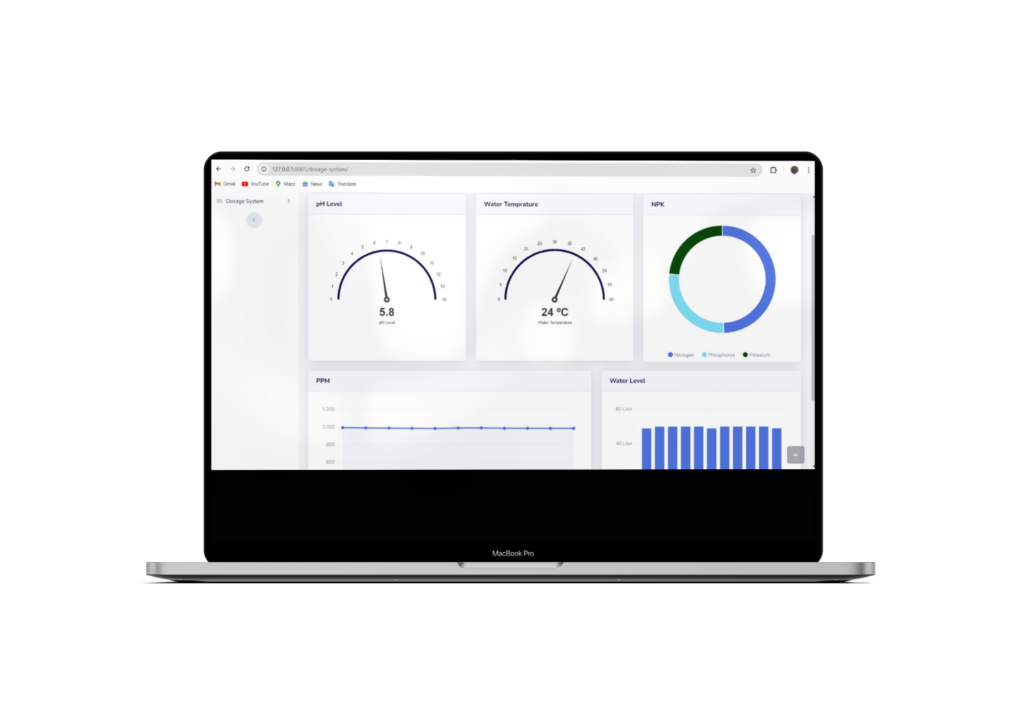
- Real-time monitoring of critical parameters such as temperature, humidity, soil moisture, and light intensity.
- Automation of irrigation, lighting, and nutrient delivery systems based on predefined schedules or real-time sensor data.
- Integration of IoT sensors and devices for seamless operation and data collection.
- AI-driven insights and recommendations for optimizing crop growth and resource usage.
- Cloud connectivity for remote monitoring and control via mobile and web applications.
Key Takeaways
- Real-time monitoring and AI-driven automation for precision agriculture.
- IoT-enabled devices for seamless data collection and control.
- Scalable and sustainable solution for modern agricultural challenges.
Development Process
The project followed a structured and iterative approach:
- Requirement Analysis and System Design:
Defined the specific needs of agricultural stakeholders and designed a flexible system architecture. - Prototyping and Testing:
Built prototypes to validate sensor accuracy, automation workflows, and AI models. - Deployment and Optimization:
Deployed the system in various agricultural setups, fine-tuning for diverse environmental conditions.
Outcome
The Agricultural Monitoring and Automation System empowers farmers with actionable insights and hands-free operations, promoting sustainable and efficient farming practices.
Statistics
- Reduced water and nutrient usage by up to 30% through automated delivery systems.
- Increased crop yields due to precise environmental control and real-time monitoring.
Benefits
- Improved resource efficiency and reduced operational costs.
- Enhanced crop quality and yield through optimized growth conditions.
- Scalable and adaptable system for small and large farming operations.