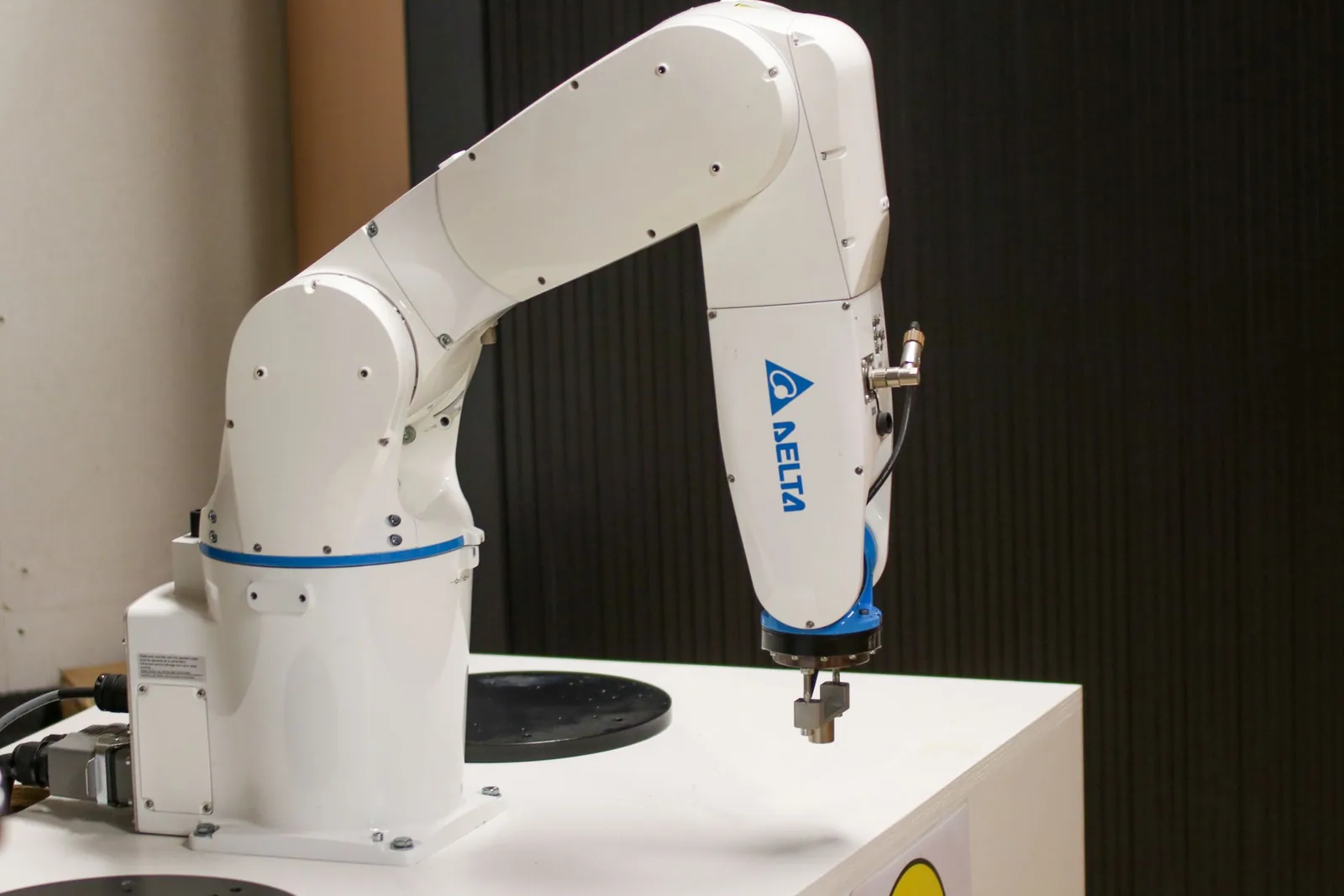
Every Weld Graded in 38 ms, On the Line, Without a Network
Inline Weld Seam Inspection Cell
38 ms
inference latency, inside the 45 ms index window
100%
of welds inspected, up from 2.5% sampling
Melbourne · Engineering studio
We build edge AI, embedded systems, IoT fleets and industrial automation - and the software that runs them. One team from schematic to production line.
Who we are
Most projects that mix hardware and software fail at the seam between them. We hold both sides, so there is no seam to fail at - and no vendor to point at when it does.
We start from the budget that actually binds - latency, power, thermal, certification date - and design backwards from it. Most failed projects picked the architecture first and met the constraint never.
A demo that works on a bench is not a result. We take designs through DFM, pilot runs and commissioning, because the hard problems surface at unit 100, not unit one.
You get schematics, firmware, test procedures and a handover pack a team that does not exist yet could pick up cold. Your IP, transferred on payment.
Capabilities
Take a slice or hand us the whole program. Either way one team owns the result and one person answers the phone.
Inference on constrained hardware against real latency and power budgets - quantised models, measured, not benchmarked in a notebook.
Boards, firmware and integration - schematic to production line, by one team with the whole product in view.
Device fleets that stay online - LoRaWAN, cellular and mesh, with provisioning, OTA and telemetry that survives bad links.
PLC, motion and OT/IT integration on plants that cannot stop. Retrofit paths for machines older than the engineers running them.
Optics, illumination and models treated as one system - because most vision projects fail on lighting, not on the network.
Autonomy stacks from perception to actuation, with the safety interlocks and manual-override paths that make them deployable.
Ingest, time-series storage and APIs sized for device fleets, with the offline-first behaviour edge deployments actually need.
End-to-end product engineering - industrial design, mechanical, electronics, firmware and manufacturing handover under one roof.
Selected work
A cross-section across edge AI, industrial IoT, robotics and enterprise platforms. Every entry carries its constraints, what we built, and what it measured afterwards.
Every Weld Graded in 38 ms, On the Line, Without a Network
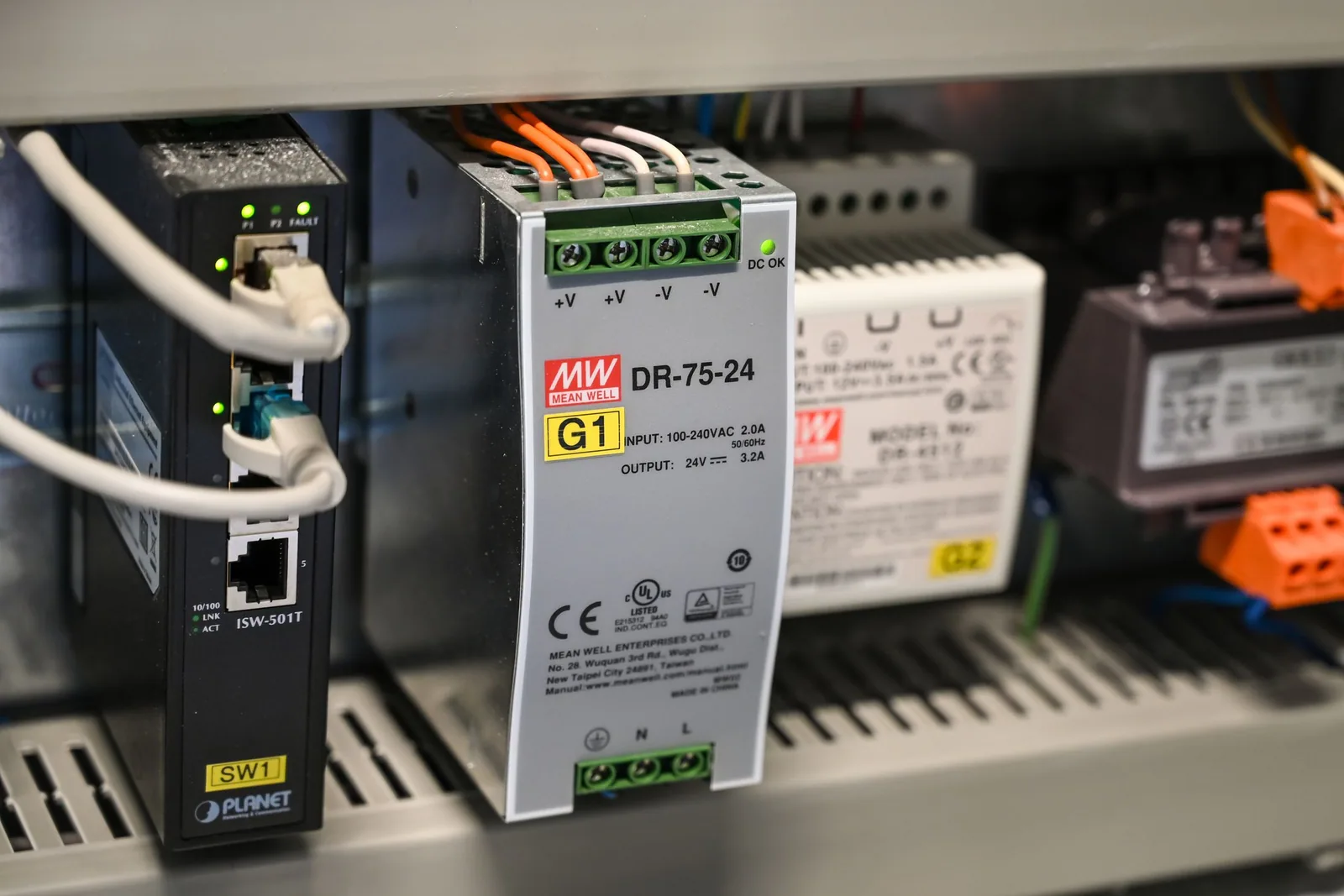
Partial-Discharge Sensing with Evidence-Rich Alerts
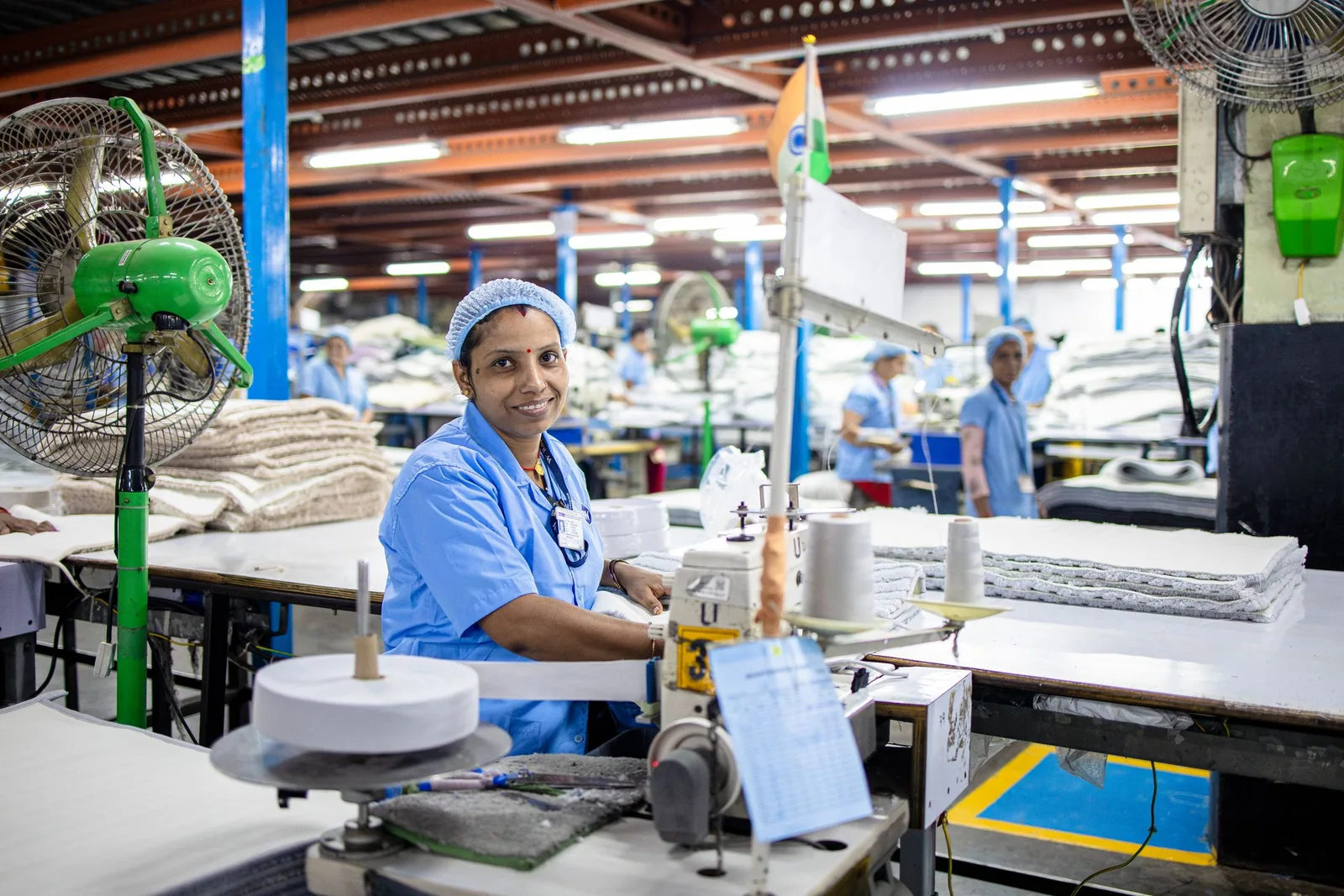
Shift Performance, Machine Utilisation and Quality in One Pane
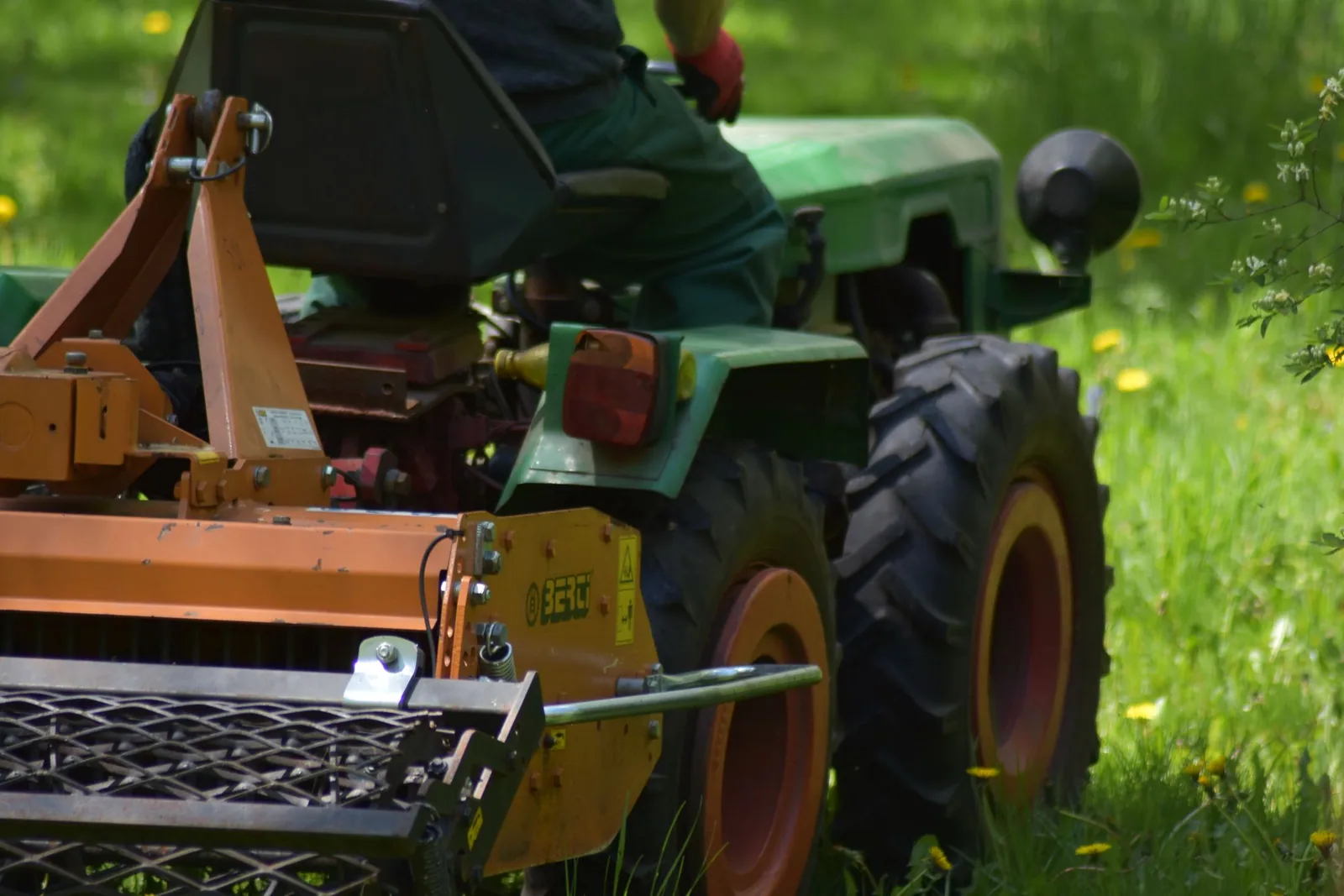
Ground-up Autonomous Platform for Commercial Grounds
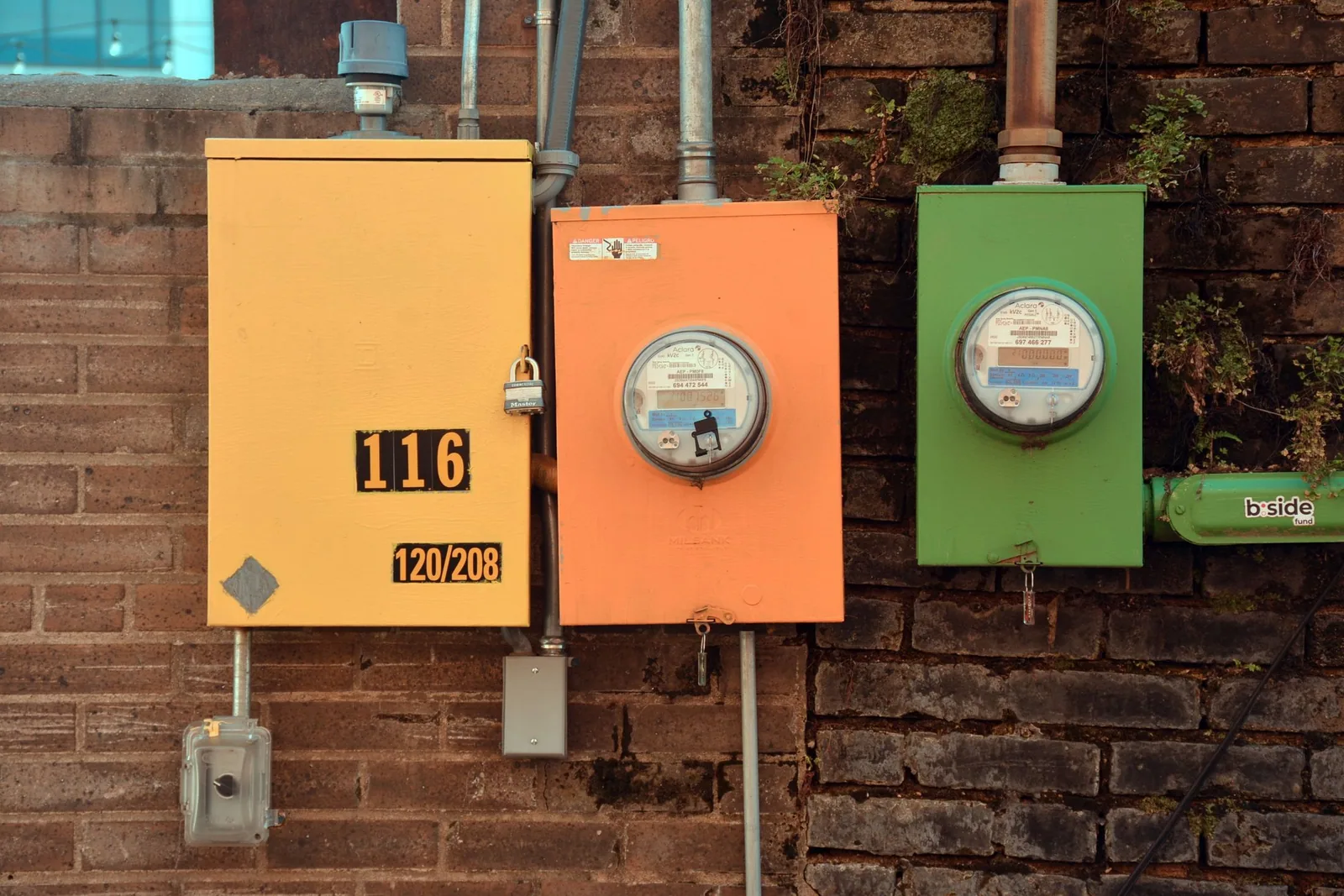
Electricity, Water and Environment Across a 40-Site Portfolio
Multi-Tenant SaaS With Role-Optimized Workflow
Live demos
4 working interfaces from systems we design, running in your browser on simulated data. No login, nothing to install.
Live
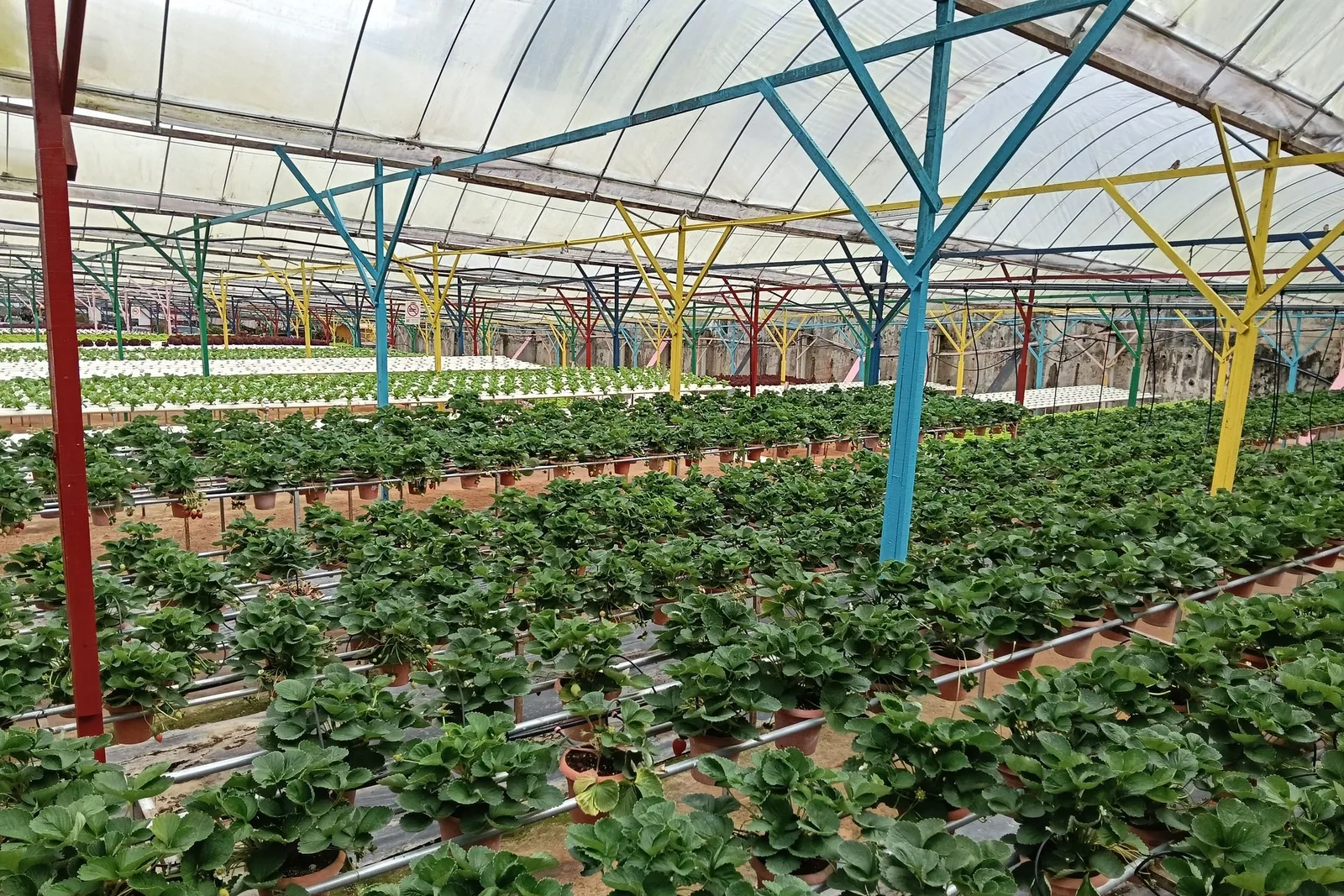
6,500 Plants Under Continuous Autonomous Control
Live
Partial-Discharge Sensing with Evidence-Rich Alerts
Live
Multi-Tenant SaaS With Role-Optimized Workflow
Industries
Eight sectors where we have production systems in service - and know which constraints actually bite.
Controlled-environment agriculture, autonomous farms, and the hardware, firmware, and analytics beneath them.
Outdoor autonomous platforms, retrofit kits, perception stacks, and fleet coordination.
Medium- and high-voltage monitoring, predictive maintenance, and secure industrial telemetry.
Driver assistance, telematics, fleet management, and connected-vehicle security.
OEE dashboards, production line controllers, digital twins, and industrial automation.
Energy monitoring, solar performance, battery storage, smart metering, and microgrids.
Street lighting, air-quality networks, water monitoring, waste routing, and shared city IoT platforms.
Device management, time-series analytics, automation rule engines, and multi-tenant cloud.
Technologies
106 technologies across 15 shipped programs - chosen per constraint, not per preference. If a project needs something not on this list, we say so.
How we work
Four phases with a real deliverable at each gate. You always know what you paid for and what ships next.
PHASE 01
A paid week that ends in a written architecture, a budget range, and the risks named. You own the output whether or not we build it.
PHASE 02
Schematics, mechanical, and software architecture in parallel - with the long-lead and certification items pulled forward first.
PHASE 03
Iterative hardware and firmware revisions against real bench and field testing. You see every revision, not just the last one.
PHASE 04
Pilot, commission and hand over - with the documentation pack a second team could pick up cold.
Testimonials
We came to Incendio with a rough concept and not much else. They built the device and the software that runs it, then stayed hands-on until it held up in the field, not just on the bench. What surprised me was how much they flagged early instead of at the end.
The best part was not having to manage three separate vendors. One team owned the electronics, the firmware, and the dashboard, so when we hit a snag it got sorted in days. They were honest about the risky parts up front, which we appreciated.
Most of the shops we spoke to did either hardware or software. Incendio did both and got them talking to each other. Our field devices finally feed the dashboard our operators actually use.
The paid discovery week was worth it on its own. We walked away with a real plan, budget ranges, and a written list of the risks. The build tracked to it and the invoices matched.
They prototype fast but document like a much bigger company. By the time we reached our first production run, the handover pack had already answered most of our questions.
Leadership
You work with these three directly. There is no account manager between you and the engineers.
Founder & CEO
Sets the engineering bar and runs client programs. Background in embedded systems and product delivery.
Co-Founder & CTO
Owns architecture across hardware and software - robotics, firmware, and cloud, the whole stack.
Director & COO
Runs operations, partnerships, and the delivery pipeline. Makes sure what’s promised is what ships.
FAQ
Contact
Send the constraint that worries you most - a latency budget, a power budget, a certification date. We reply within one business day, and we will say so if we are not the right team.
Direct
Studio
Melbourne, Victoria, Australia
Service area: Australia-wide
Hours
Mon-Fri, 9:00-18:00 AEST