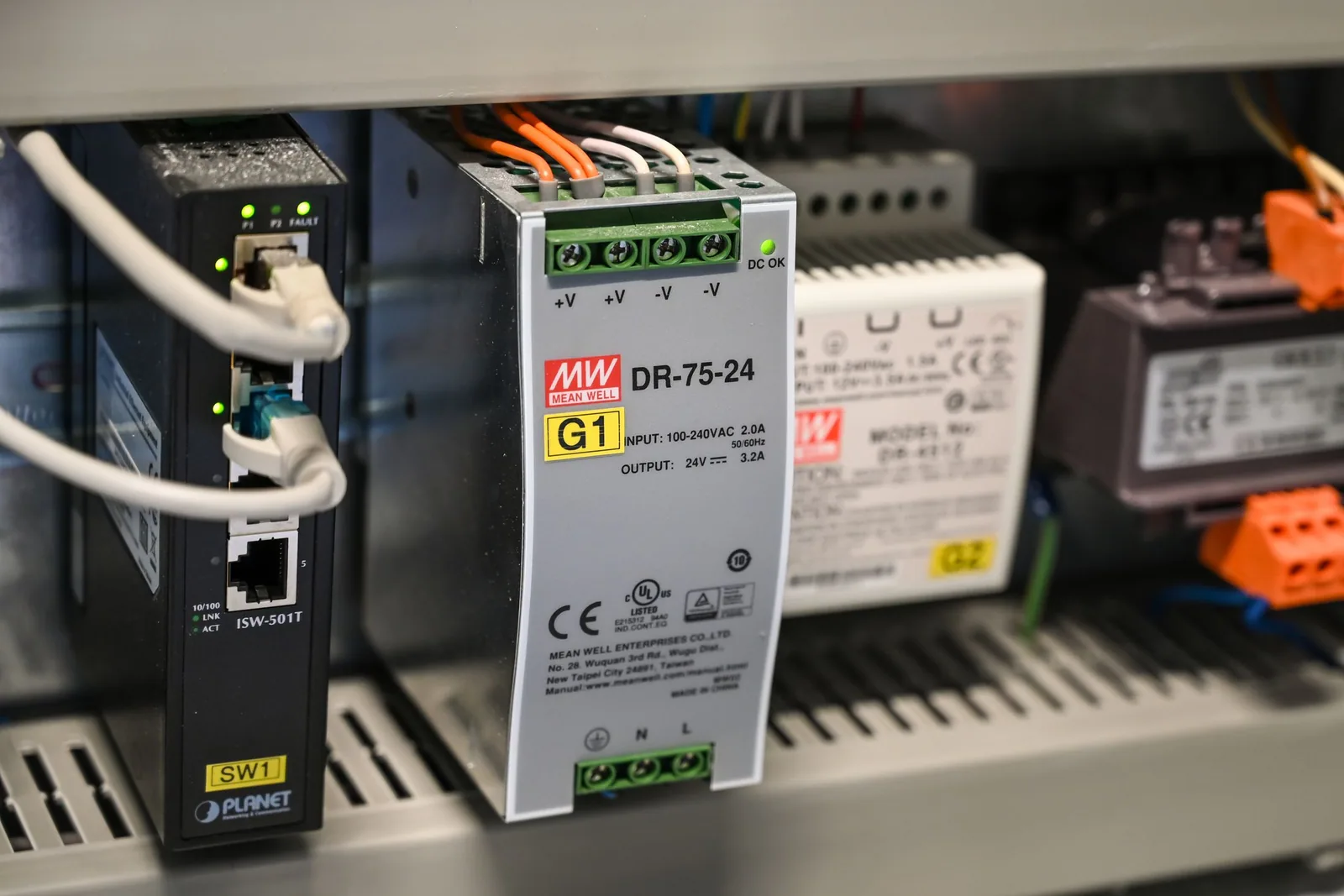
Partial-Discharge Sensing with Evidence-Rich Alerts
13kV RMU Fault Detection System
Early
fault detection before outage
Evidence-rich
alert payload

Robotics / Grounds Maintenance
Ground-up Autonomous Platform for Commercial Grounds
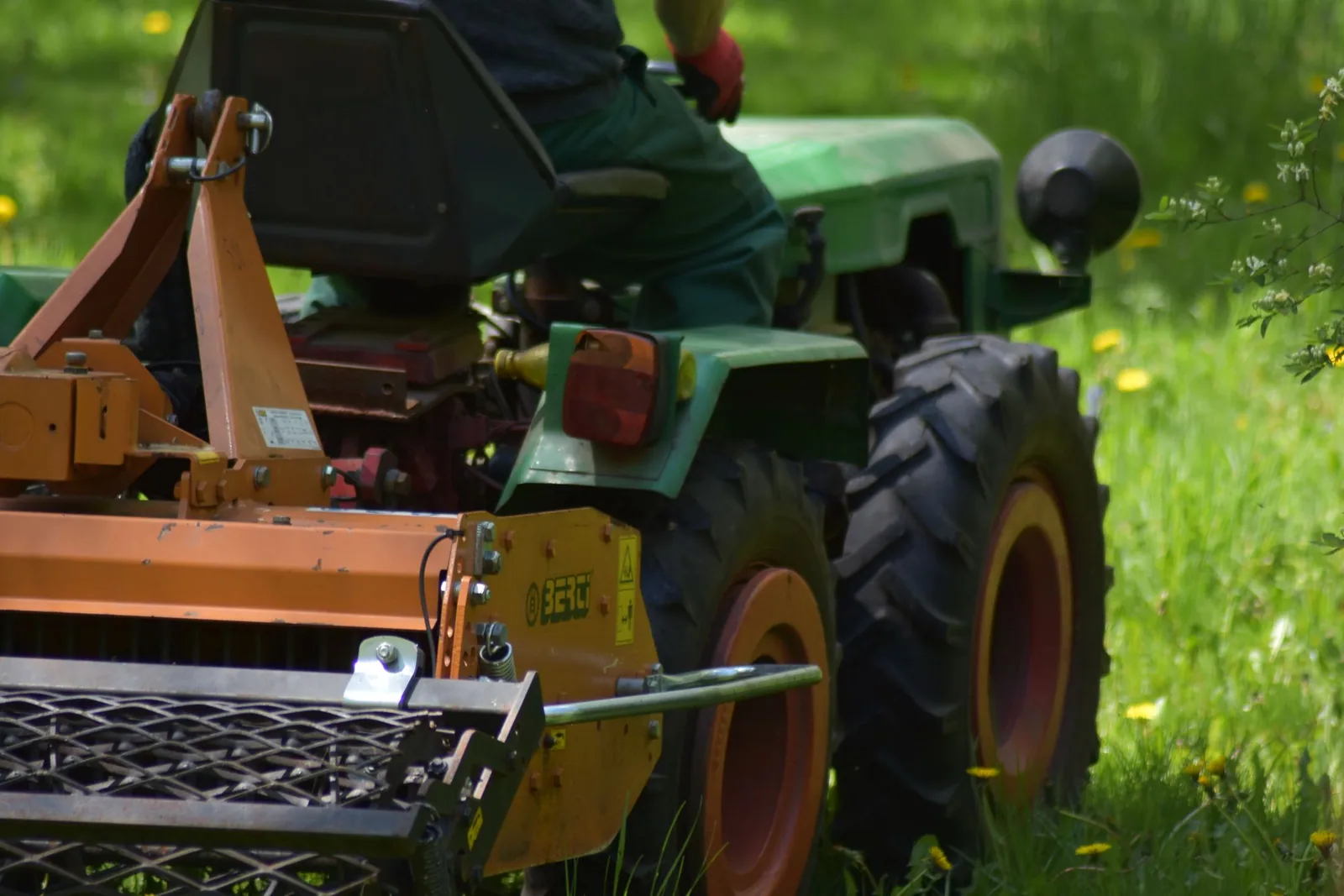
Background
A full ground-up autonomous zero-turn mower was commissioned for commercial grounds-maintenance operators who needed higher productivity per labor hour across large properties.
The problem
Delivering ride-on-class cutting performance from an autonomous platform - including slope handling, edge-following, and debris tolerance - while keeping the safety case defensible. Managing runtime and recharging across long workdays.
Approach
We architected the vehicle around a robust differential-drive platform with redundant safety sensors and a ROS 2 software stack. LiDAR and vision provide 360° awareness, while RTK GNSS anchors absolute position. Coverage planning respects no-go zones, slope limits, and operator-defined priorities.
Workstreams
This was delivered as 3 coordinated workstreams over 11 months.
WS 01
We designed a modular kit with a standardized interface harness, a vision-plus-GNSS perception stack, and an electronic actuation layer for steering, throttle, and blade control. Safety is enforced at multiple layers, including a hardware e-stop independent of the compute unit.
WS 02
We designed a mode-supervisor that manages three states - manual, assisted, and autonomous - with clearly defined entry and exit conditions. The physical controls always retain override authority.
WS 03
We combined visual fiducials for final-approach alignment with a compliant contact interface that tolerated small misalignments. Charging electronics monitor current, voltage, and temperature continuously and cut off on anomalies.
Outcome
Prototype units completed real properties end-to-end without operator intervention, handling typical obstacles and edge cases. Runtime was long enough to support practical commercial duty cycles between charges.
Our role
Vehicle architecture; software stack; safety engineering.
Technologies
Gallery
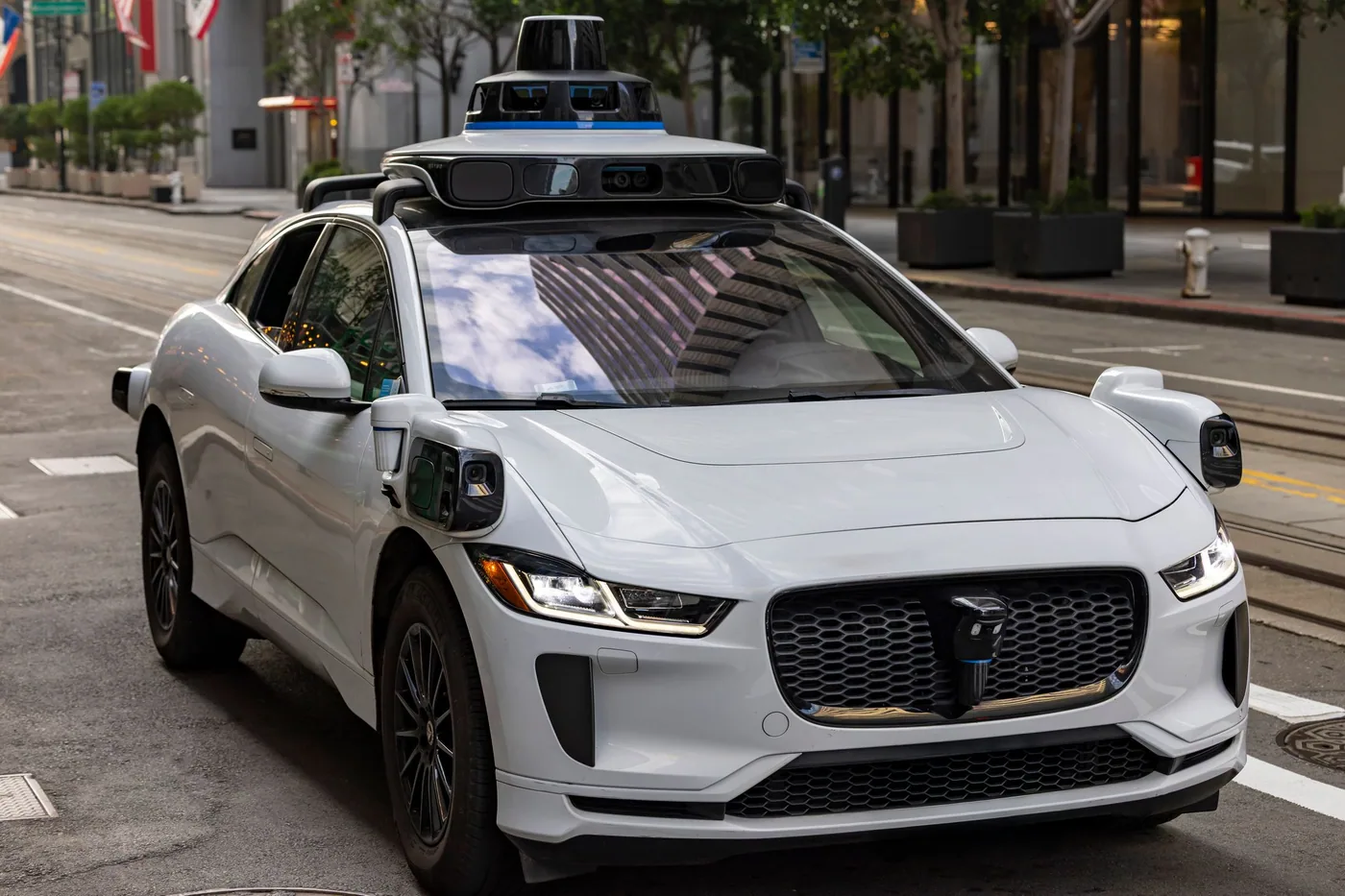
Illustrative of the perception hardware providing the 360-degree safety envelope: LiDAR returns are fused with camera detections before any drive command is allowed through.
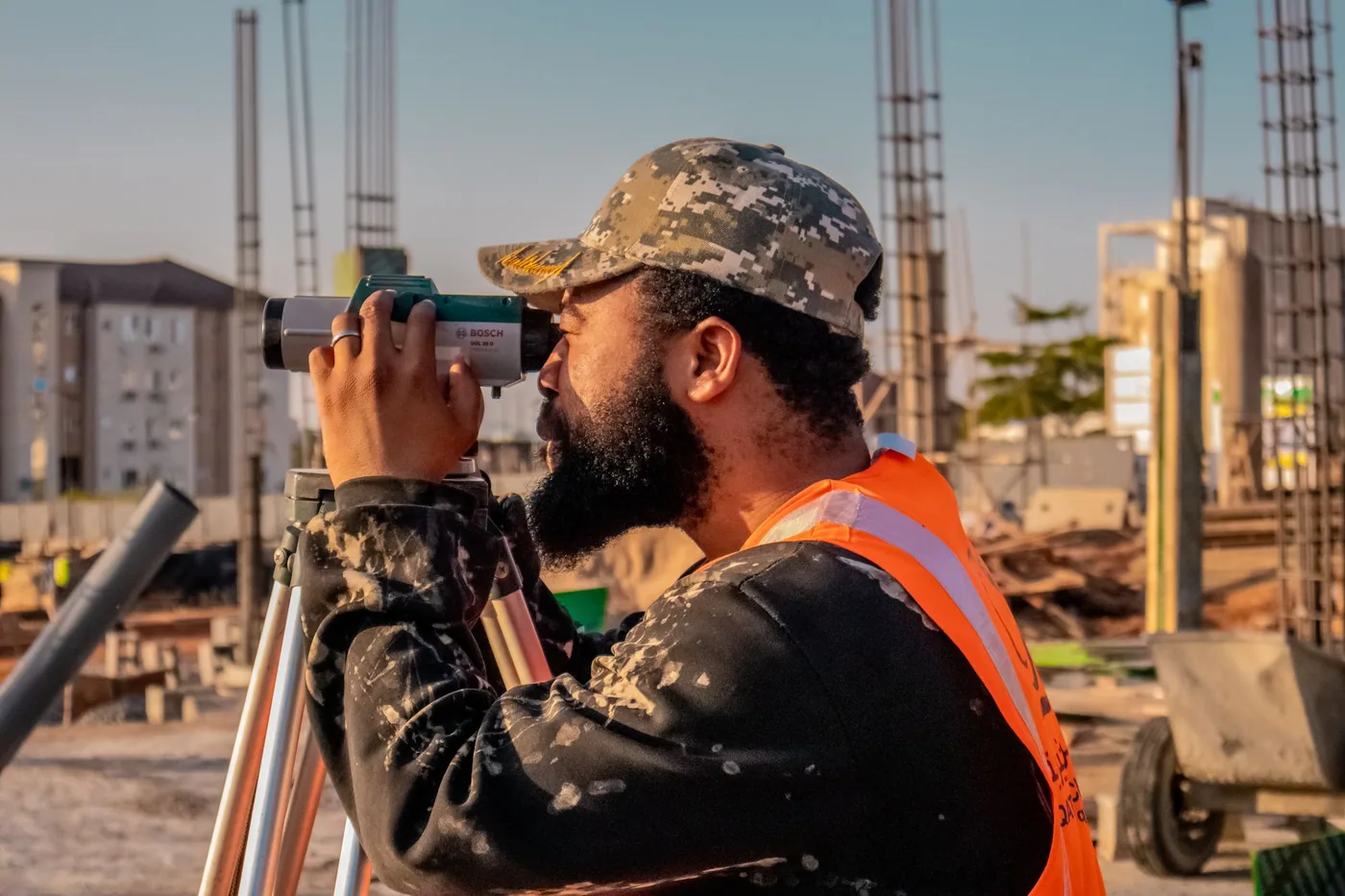
Representative of the RTK correction setup used for positioning: a fixed base against the machine's rover receiver is what makes repeatable edge-following and coverage lanes possible.
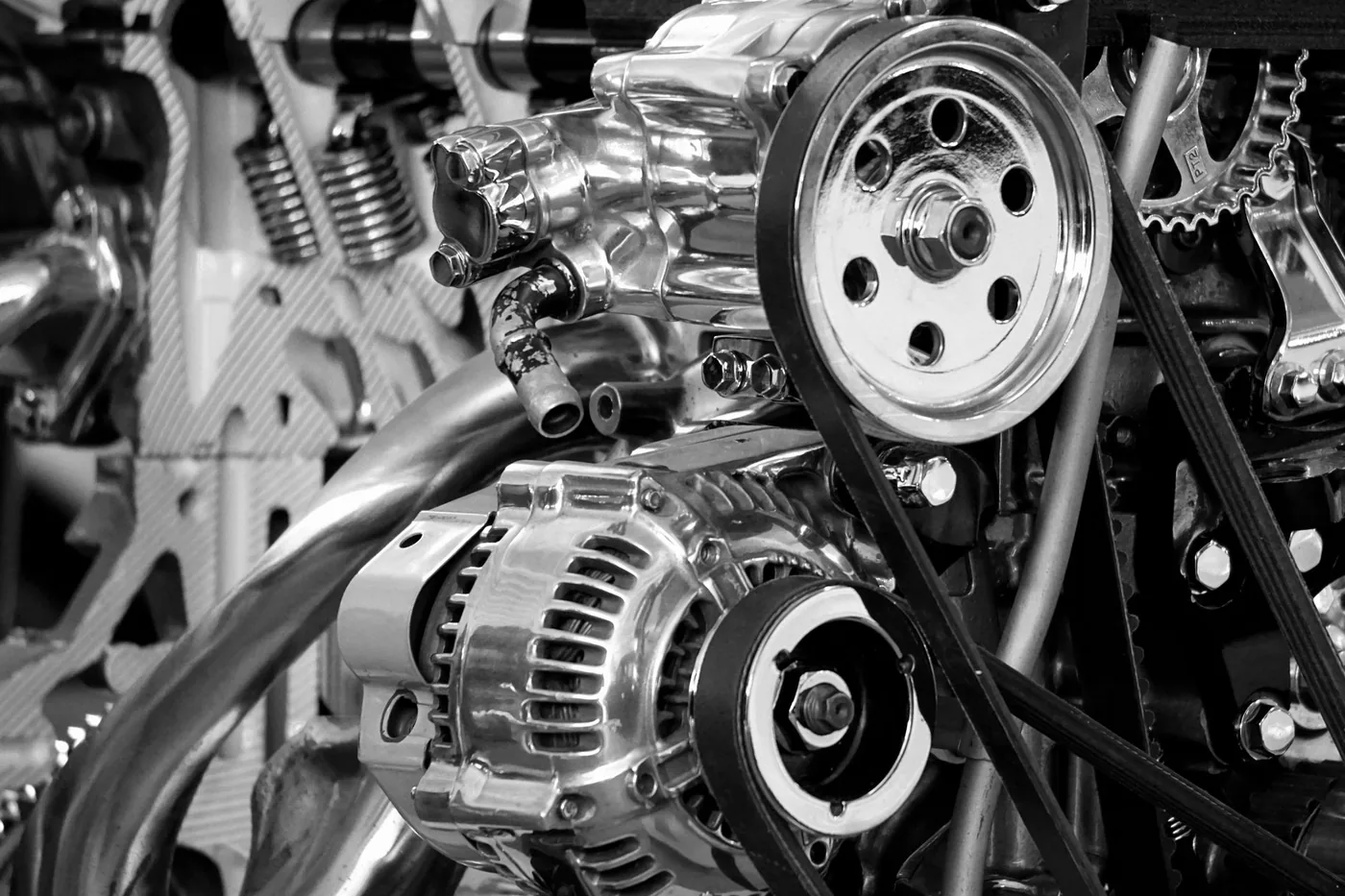
Illustrative of the drive-by-wire layer: BLDC traction and deck motors are commanded over CAN, giving the differential-drive controller torque authority on slopes.
Next case study
Partial-Discharge Sensing with Evidence-Rich Alerts
Send the constraint that worries you most - a latency budget, a power budget, a certification date. We’ll tell you straight whether we’re the right team.